California's solar property tax break ends January 1. Here is the part nobody will mention.
Since 1980, California has not counted your solar when the county decides what your home is worth. That changes January 1, 2027. Here is what it means for you.

Watch the 30 second version on YouTube.
What this tax break is, and what it is worth to you
You add solar to your roof, and your property tax bill does not go up because of it. That has been the deal since 1980.
That is worth real money every year. Here is how to figure out your own number.
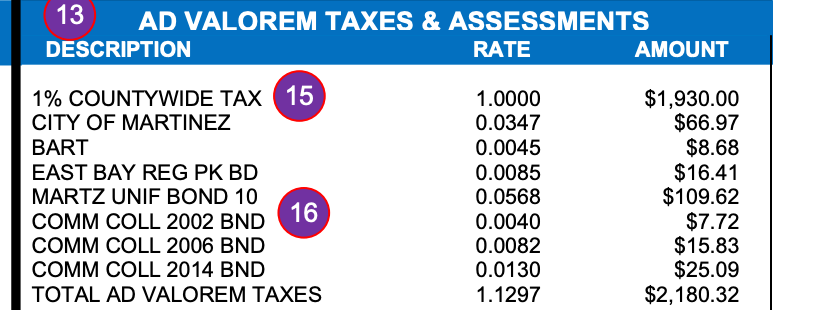
Your property tax rate is about 1.1 to 1.4 percent of your home's assessed value, depending on where you live. That is the 1 percent base from Proposition 13, plus whatever bonds your local voters approved. Dublin runs about 1.24 percent. Oakland is about 1.34 percent. Brentwood can go higher because of Mello-Roos. Your exact rate is printed on your own tax bill.
Now take that rate and multiply it by what you actually paid for your system, after any discounts or rebates. Not the sticker price before them. That is about what this tax break saves you every year.
| If you paid | At 1.15% | At 1.25% | At 1.35% |
|---|---|---|---|
| $20,000 | $230/yr | $250/yr | $270/yr |
| $25,000 | $288/yr | $313/yr | $338/yr |
| $30,000 | $345/yr | $375/yr | $405/yr |
| $40,000 | $460/yr | $500/yr | $540/yr |
| $50,000 | $575/yr | $625/yr | $675/yr |
| $60,000 | $690/yr | $750/yr | $810/yr |
Two more things. Under today's financing the tax credit usually shows up as a discount off your price up front, so the number on your contract is already the right one to use. And the amount grows a little each year, because assessed values can rise up to 2 percent a year under Proposition 13.
The official name for this is the active solar energy system new construction exclusion. That is a mouthful. It just means the county leaves your solar out of the math.
It ends January 1, 2027
Here is the law.
"Except as provided in paragraph (2), this section shall remain in effect only until January 1, 2027, and as of that date is repealed."
California Revenue and Taxation Code, section 73(i)(1)
In plain English: this tax break is over on January 1, 2027. It is not being phased out. It is being deleted.
A bill to extend it for home systems, AB 2389, stalled in the Assembly Appropriations Committee in May 2026 and never moved.
To get the break, your system has to be finished before January 1, 2027. Not signed. Not scheduled. Not permitted. Finished.
If you buy and own your solar, you keep it until you sell
Here is the law.
"Notwithstanding paragraph (1), active energy solar systems that qualify for an exclusion under this section prior to January 1, 2027, shall continue to be excluded on and after January 1, 2027, until there is a subsequent change in ownership."
California Revenue and Taxation Code, section 73(i)(2), added by SB 710 in October 2025
In plain English: if your solar was finished before January 1, 2027, it stays off your property tax bill. It stays off until the solar changes owners.
So the real question is this. Owner of what? The house, or the solar?
Here is the state's own answer.
"This exclusion remains in effect until a change in ownership of the system occurs."
California Board of Equalization, Guidelines for the Active Solar Energy System New Construction Exclusion
In plain English: the system. The solar equipment itself. Not just the house.
For most people who buy their system, those are the same thing. You own the house and you own the solar. Nothing changes until you sell.
When you sell, the county re-values the whole property anyway, and your solar is part of that value. Your buyer does not get your tax break. Your buyer is not being singled out either. That is just how a sale works in California.
If you do not own your solar, it ends when the system comes into your name
Some people lease their solar. Some have a power purchase agreement. And most new solar today is paid for through an investor group that owns the system for the first five or six years, then puts it in your name.
All three are the same thing for this tax break. Somebody else owns the equipment right now. That is fine. The tax break still applies while they own it.
The question is what happens when it becomes yours.
"Purchase of the system by the lessee, which terminates the new construction exclusion and makes the system assessable."
California Board of Equalization, Guidelines for the Active Solar Energy System New Construction Exclusion
In plain English: the day the solar comes into your name, the tax break stops.
So if you buy out your lease in 2029, the county can start counting your solar then. Same if an investor hands your system to you in year six. Same event, same result.
And after January 1, 2027, there is no new tax break to apply for, because the law is gone.
What does it cost? Less than you would think. The county values your system at what it is worth then, not what it cost new. In Alameda or Contra Costa County that is somewhere around $230 to $310 a year. That range assumes the county values the system below what you paid for it. The table uses the full purchase price instead, which is the worst case, so those numbers run higher.
That is not a disaster. It is also not nothing. You should know about it before it happens.
One more thing. Read the part of your agreement that describes that transfer, and ask questions about it.
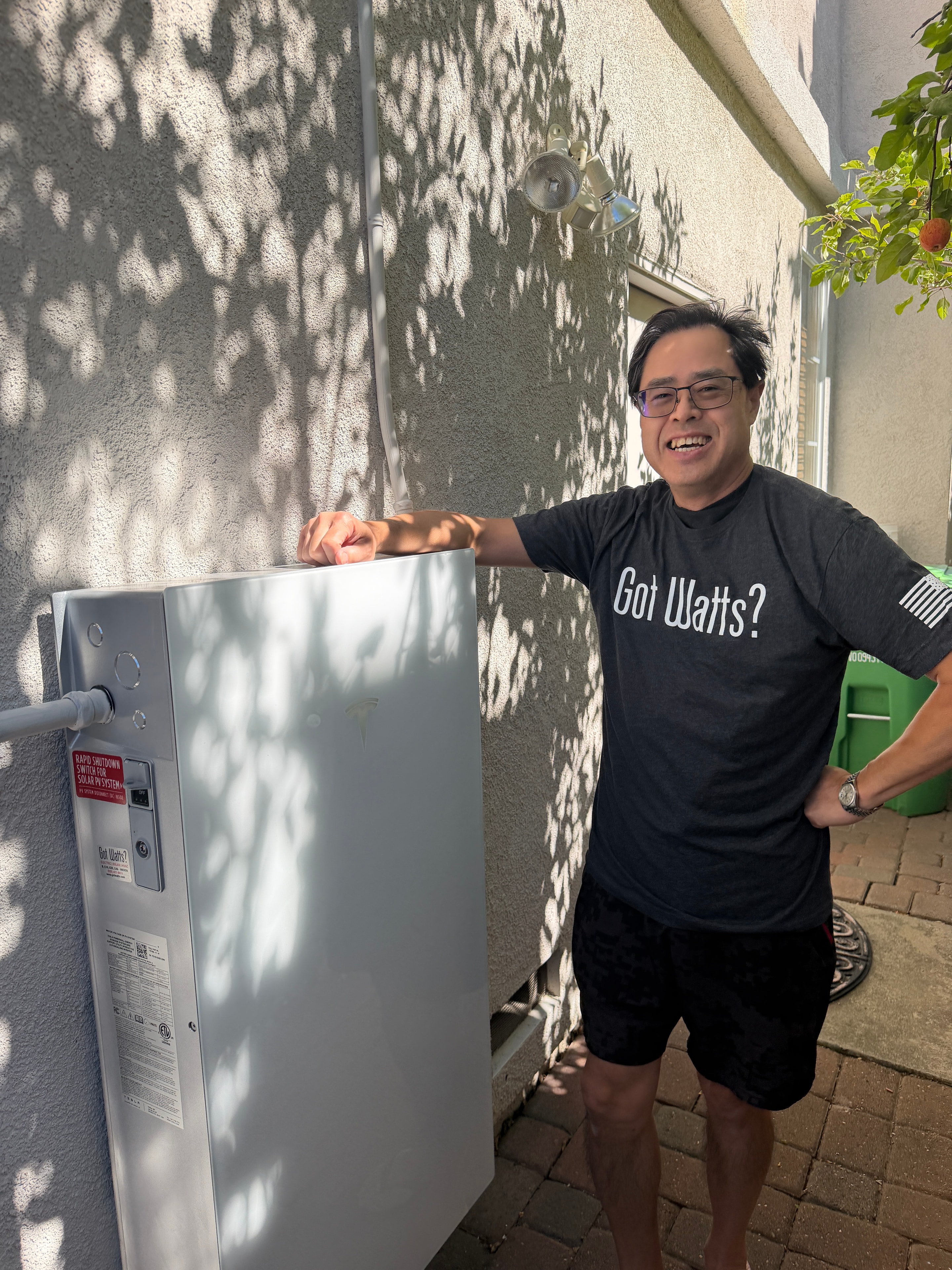
Batteries count too
Here is the law.
"An active solar energy system that uses solar energy in the production of electricity includes storage devices, power conditioning equipment, transfer equipment, and parts related to the functioning of those items."
California Revenue and Taxation Code, section 73(d)(1)
In plain English: a battery counts as part of your solar system.
So say you already have solar and you want to add a battery. Finish it before December 31 and it goes in under the tax break. Finish it in January and it does not. That one gets added to your home's value, and you pay tax on it.
What you have to file, and when
This is your county assessor, not the state. There is nothing to file in Sacramento.
If you are adding solar to a home you already own, you do not apply for anything.
"A property owner who adds an active solar energy system to an existing structure does not have to file for the exclusion."
California Board of Equalization, Guidelines for the Active Solar Energy System New Construction Exclusion
In plain English: the county picks it up from your building permit. You do nothing.
The filing shows up later, and only if the solar comes into your name from somebody else. There is no deed when solar changes hands, because nobody is selling a house. Under Revenue and Taxation Code section 480, the new owner has to file a change in ownership statement when the assessor asks for one. There is a penalty for not filing.
That one is on you, not your installer. Most people are never told this by anyone.
What to do between now and December 31
If you have solar and you want a battery, your window is shorter than the date looks. Permit, install and final sign-off all have to land before December 31. The fourth quarter is when permit desks and inspectors are slowest. That means deciding in October, not December.
If you do not have solar yet, doing it this year beats doing it next year on this one item, no matter how you pay. It is worth it for as long as you own the home if you own the system. It is worth about six years if an investor owns it first. Either way it beats zero, which is what it is worth in 2027.
And if you want certainty about your own property, call your county assessor. They will tell you in one phone call. That is a better source than any solar company, including this one.
Check our math
Everything above is quoted. Go read it yourself.
- California Revenue and Taxation Code section 73, the statute
- SB 710, signed October 2025
- California Board of Equalization, Guidelines for the Active Solar Energy System New Construction Exclusion, LTA 2012/053
- California Board of Equalization, Letter to Assessors 2024/031, on the sunset dates
- California Revenue and Taxation Code section 480, change in ownership statements

Questions about your bill? Free reviews at solarbillreview.com.
Bill Gurgol, Solar Bill Review, (925) 967-8949
Explore Topics
Written by
Bill Gurgol
Energy Consultant · Lic. 97591SP · (925) 967-8949
Bill Gurgol is an independent solar consultant who has worked inside the biggest installers and the smallest since 2014, and knows where both go wrong. He works with GOT WATTS, a Diamond Certified East Bay installer, because they held up to that scrutiny. Questions about your bill? Free reviews at solarbillreview.com.